Local Photography Spots You Never Knew Existed in Your Town

Recent Trends in Hyperlocal Photography
Over the past several seasons, a growing number of hobbyist and semi-professional photographers have shifted focus from iconic landmarks to overlooked, everyday environments. Social media feeds increasingly feature images of back-alley murals, forgotten industrial corners, and residential garden pockets rather than the same downtown skyline. This movement—sometimes called “micro-exploration”—encourages photographers to rediscover familiar blocks with fresh eyes.
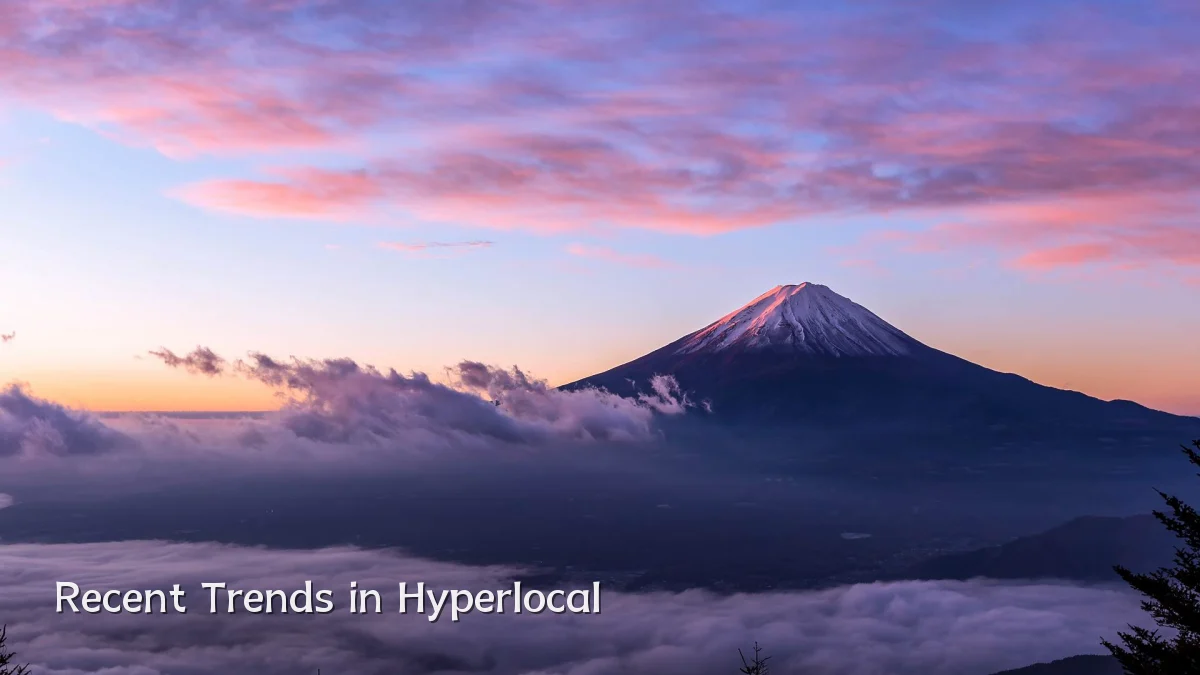
- Smartphone photography and lightweight gear make it easier to explore tight or unexpected locations.
- Local online groups share coordinates for hidden alleys, rooftop vantage points, and seasonal blooms without revealing exact addresses until a trust threshold is met.
- Municipal arts boards have started mapping underused public spaces (utility boxes, underpasses, pocket parks) for creative use.
Background: Why Some Spots Stay Unnoticed
Every town contains dozens of photogenic locations that never make it into travel guides or official visitor maps. These spots often fall through the cracks due to zoning changes, transient ownership, or simply because they require a specific time of day or season to reveal their character. For example, a narrow alley behind a dry cleaner can produce striking shadow play during late afternoon, but only in late autumn when the sun angle is low. Similarly, a vacant lot allowed to grow wild might host native wildflowers for just three weeks each spring, then revert to an unremarkable patch of weeds.
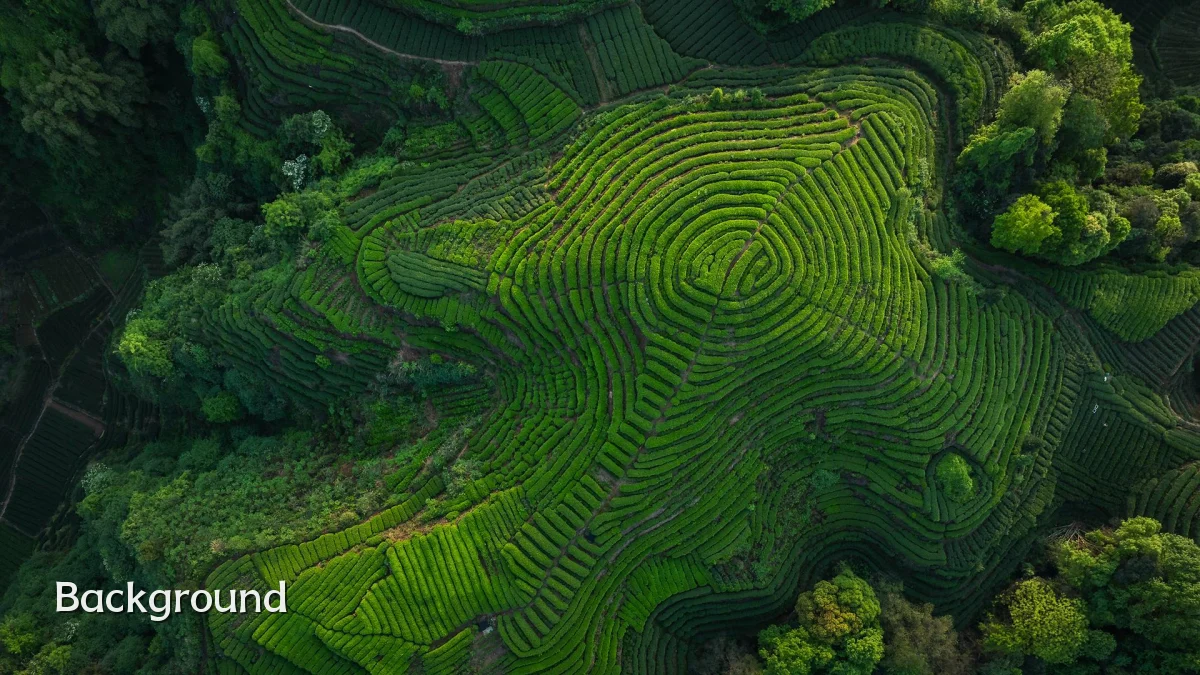
- Many neglected spaces are on privately owned land—permission or trespassing laws vary, so always confirm access.
- Local historical societies sometimes hold records of former rail spurs, mill races, or old carriage roads that now appear as faint trails.
- Water drainage channels, retention ponds, and bridge undercrofts can offer geometric or reflective compositions if approached safely.
User Concerns: What Photographers Should Consider
Before venturing into lesser-known corners, local readers typically face three practical questions: safety, legality, and gear limitations. A spot that looks promising at noon may feel unsafe at dusk, especially if it’s isolated or poorly lit. Likewise, property lines are not always marked—shooting from a public sidewalk is generally acceptable, but stepping onto private property without permission can lead to confrontations or fines. Finally, some hidden locations require climbing, crawling, or wading; a camera bag packed for a street walk may be inadequate for muddy terrain.
- Access rights: Check whether the spot is on public easement, publicly owned parkland, or private property. When in doubt, ask the local chamber of commerce or a neighborhood association.
- Light conditions: Many hidden spots are shaded for most of the day. Scout at least twice—once in morning light and once in late afternoon—to judge when the scene works best.
- Gear protection: Expect moisture, dust, or debris in abandoned industrial sites. Bring lens cloths, a plastic bag for rain, and a small tripod for low-light interior shots.
- Lone shooting: Let someone know where you are going and when you expect to return, especially if the area has no cell reception.
Likely Impact on Local Photography Communities
As more photographers document these off-the-beaten-path locations, several ripple effects are emerging. Neighborhood residents may initially be wary of strangers lingering near their homes, but consistent respectful shooting can build rapport and even lead to spontaneous collaborations—a homeowner might allow garden access in exchange for a print. On a larger scale, city planners and tourism boards have begun to notice that user-generated photography of overlooked areas can drive slow, sustainable foot traffic without overwhelming popular sites. This shift reduces pressure on overvisited landmarks and distributes economic benefit to smaller businesses near the newly discovered spots.
- Small cafés, bookshops, and galleries near hidden spots often see a modest increase in visits from photographers seeking a rest stop.
- Online photo contests with a “hidden town” theme encourage locals to explore beyond their usual routes.
- Preservation groups sometimes leverage striking photos to advocate for protecting a building or natural feature that was slated for demolition.
What to Watch Next
In the coming months, watch for local governments to release official “creative corridors” or “photography trails” that link these obscure locations with practical information about hours, parking, and seasonal conditions. Some towns are experimenting with augmented reality apps that overlay historical images on current views, giving photographers a way to frame then-and-now shots. Meanwhile, property owners who see their vacant lots or alleys featured in popular photography accounts may begin to formalize access—charging a small fee or requiring a liability waiver. The key for local readers is to stay flexible, respect boundaries, and keep a running list of spots that change with the seasons. A spot that looks boring in July can become a must-shoot location in January after a snowfall or after the leaves drop.