Essential Photography Notes Every Professional Should Memorize

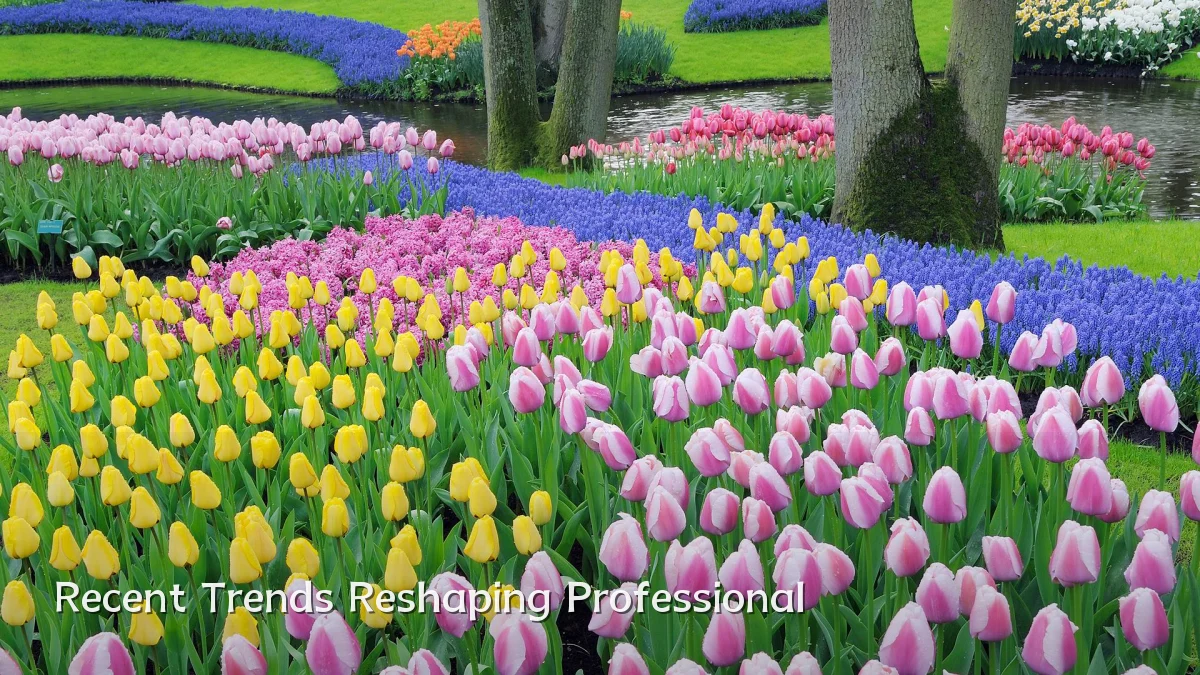
Recent Trends Reshaping Professional Workflows
The photography industry is shifting rapidly. High dynamic range sensors and advanced computational processing are now standard in mid-range cameras, pushing professionals to revisit exposure fundamentals. AI-assisted editing tools have reduced time spent on color grading, but they also demand a more disciplined approach to in-camera capture to avoid unnatural artifacts. Meanwhile, clients increasingly expect faster turnaround without sacrificing nuanced lighting or composition.
- Exposure triangle in practice: Memorizing the reciprocal relationship between aperture, shutter speed, and ISO—and how each affects noise, depth of field, and motion blur—remains non-negotiable for consistent results under varying conditions.
- White balance as creative control: Professionals now treat color temperature and tint adjustments as scene-by-scene decisions rather than afterthoughts, especially when delivering images that will be used across print and digital media.
- Focus stacking and bracketing: With higher-megapixel sensors revealing even slight misalignment, memorizing the number of exposures needed for a given depth range saves time in post-production.
Background: Why Core Notes Still Matter
Despite automation advances, the underlying physics of light and optics have not changed. Many professionals find that reviewing foundational principles—such as the inverse square law for light falloff, the hyperfocal distance formula, and the relationship between shutter speed and subject motion—directly improves their efficiency on set. Camera manuals and online tutorials provide different explanations, but the most reliable reference is a memorized set of personal rules developed from repeated field testing.
“A photographer who has internalized exposure compensation ranges for common lighting scenarios—open shade, backlight, mixed indoor sources—can adapt faster than one who must consult a chart or device every time.”
User Concerns: Common Gaps in Professional Knowledge
Working photographers frequently report three recurring issues that stem from relying too heavily on automated settings or presets:
- Inconsistent exposure across a series: When lighting changes quickly (e.g., event or wedding work), depending on auto-exposure can produce noticeable jumps in brightness. Memorizing baseline manual settings for typical indoor and outdoor situations prevents this.
- Color cast problems in mixed lighting: Professionals who do not memorize the approximate Kelvin values for common light sources (e.g., tungsten 3200K, daylight 5500K, fluorescent ~4000K) often spend extra time correcting tints that could have been avoided at capture.
- Focus accuracy at wide apertures: Shooting at f/1.4 or f/1.2 requires knowing the exact distance from the subject to retain sharpness; memorizing a few tested distances for portraiture reduces reframing and missed shots.
Likely Impact on Career Efficiency and Client Satisfaction
Internalizing these notes does not replace creativity, but it frees mental bandwidth for composition, direction, and problem-solving. Photographers who can predict depth of field changes, motion blur thresholds, and exposure shifts without calculating each variable report fewer reshoots and faster editing workflows. Clients notice the difference in consistency, especially when deliverables must match across multiple scenes or lighting setups. Over time, this efficiency can lead to higher project capacity and reduced post-production costs.
What to Watch Next
As camera firmware increasingly incorporates AI-driven scene analysis, professionals should monitor how these tools affect the reliability of in-camera judgments. Newer mirrorless systems offer real-time histograms and highlight warnings, but the ability to interpret them quickly depends on the same foundational knowledge. Next-generation software may further automate exposure blending and color correction, making the memorized notes described here even more valuable for maintaining a cohesive personal style across automated workflows. Updates to raw processing algorithms could also shift how certain baseline settings—like ISO invariance thresholds—are best applied, so periodic self-testing of core principles remains advisable.